Root Cause Analysis for Semiconductor Wafer Contamination
PiFM identifies sub-20 nm organic and inorganic wafer contaminants non-destructively, accelerating semiconductor root-cause analysis.


Keep up to date with our latest product news, events and developments:
PiFM identifies sub-20 nm organic and inorganic wafer contaminants non-destructively, accelerating semiconductor root-cause analysis.
How to chemically identify and measure the sizes of nanoplastic particles along with other inorganic and biological nanoparticles for environmental forensics
Are Your Surface Functionalisation Processes Truly Forming Monolayers? Read this app note from Molecular Vista.
Are Your Surface Functionalisation Processes Truly Forming Monolayers? Read this app note from Molecular Vista.
Free magazine supporting advanced pharmaceutical research with cutting-edge materials characterisation and microscopy solutions driving innovation across the UK.
This article highlights the capability of PiFM on fixed human skin samples that were penetrated by topically applied dexamethasone and show that there is similarly a good correlation between XAS mi
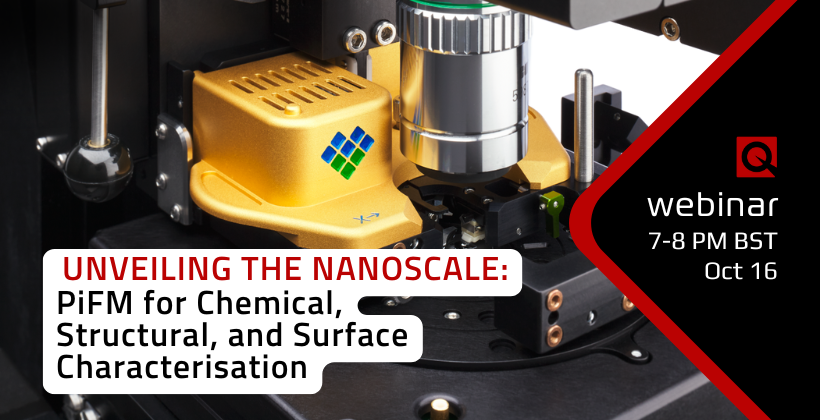
Whether you are working in nanotechnology, semiconductors, data storage, or biomedical devices, this webinar will equip you with tools and strategies to expand your analytical capabilities.
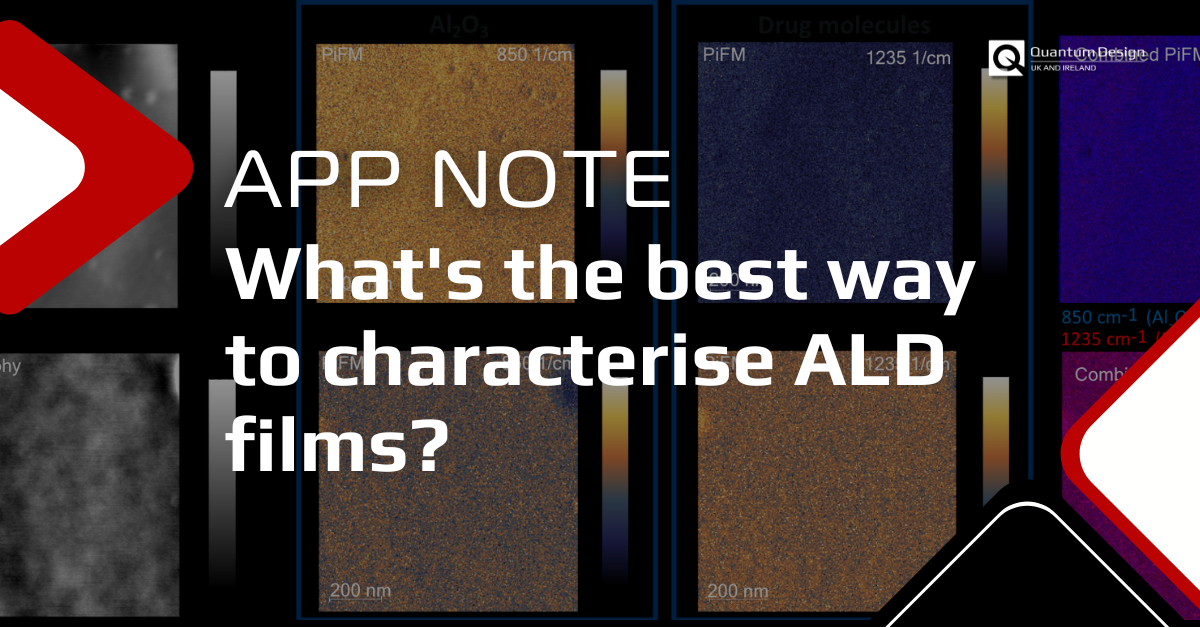
Traditional surface analysis techniques can’t reveal the true story at the nanoscale—especially for ultrathin ALD coatings. They miss crucial details about film uniformity and coverage…
Discover the Vista 300 PiF Microscope from Molecular Vista. The most advanced nano-chemical metrology instrument for R&D and failure analysis in nanofabricaton.
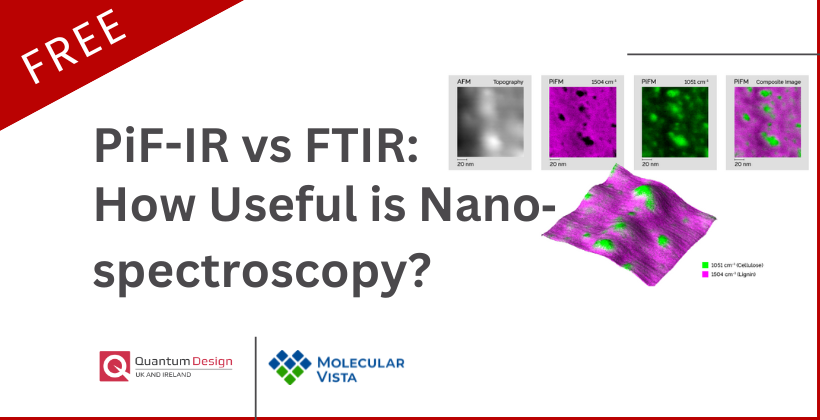
Download this free white paper from Molecular Vista, delving into why Pof-IR spectroscopy is the future of infrared spectroscopy