How do you turn an ellipsometry measurement into a useful understanding of a material?
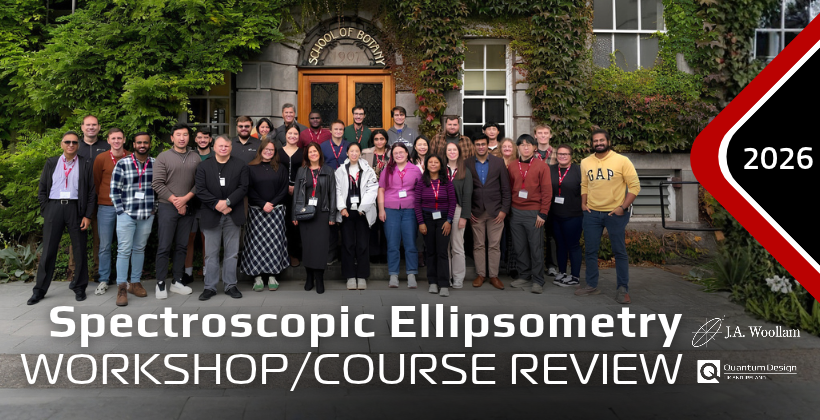
That question connected four days of theory, applications and software training at Trinity College Dublin, where Quantum Design UK and Ireland (QDUKI) and J.A. Woollam presented their latest annual workshop and CompleteEASE course, running from 27 to 30 October 2026. Both events were fully booked.
The 26th Annual Spectroscopic Ellipsometry Workshop opened the programme on 27 October, followed by three days devoted to CompleteEASE. The pairing offered a natural progression: first exploring the principles behind the technique, then working through the analysis needed to interpret thin-film measurements.
A research setting with a practical focus
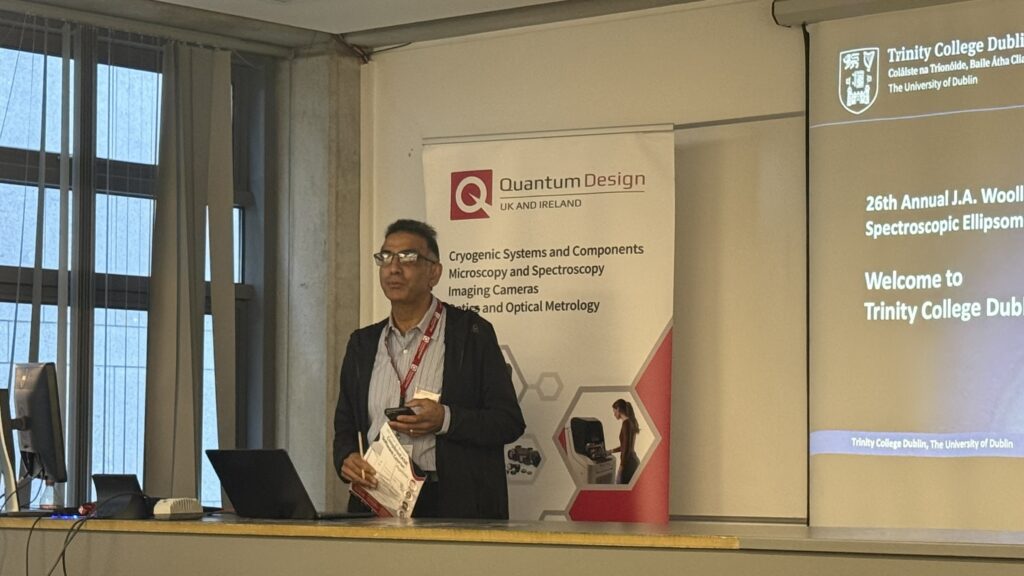
The workshop began with introductions from Trinity host Christopher Smith and QDUKI Technical Director Dr Shayz Ikram. Andrew Martin and Joel Mohrmann then led the fundamentals sessions, before James Hilfiker took delegates through data analysis and applications. Advanced samples and a closing question-and-answer session rounded out the published programme.
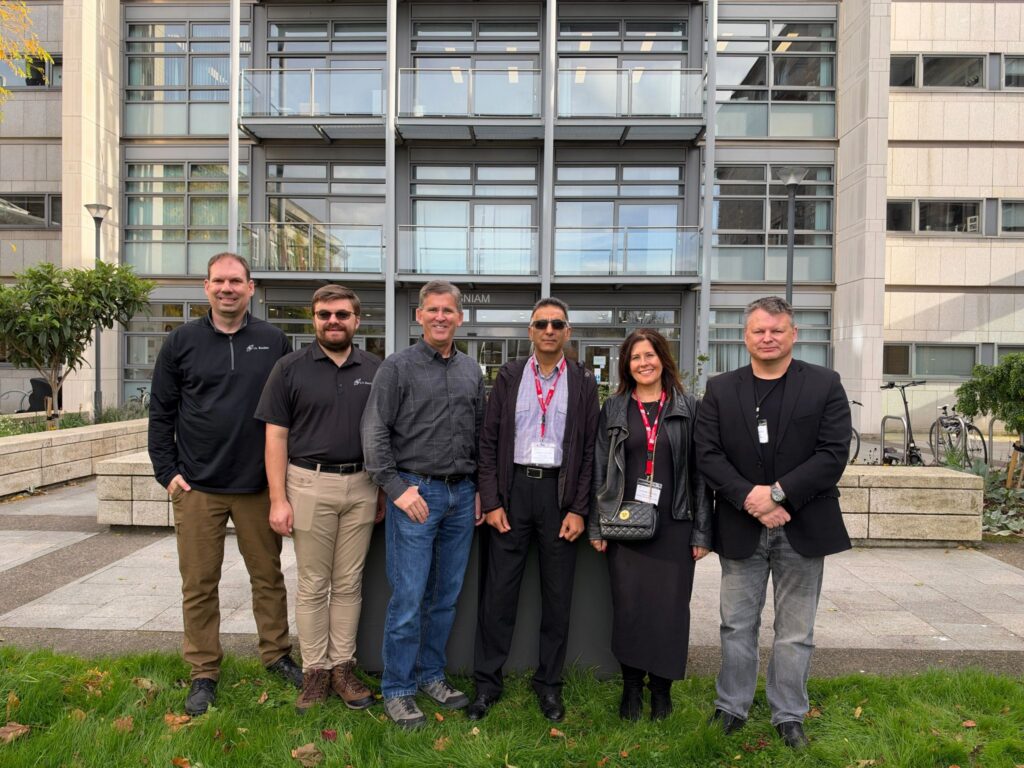
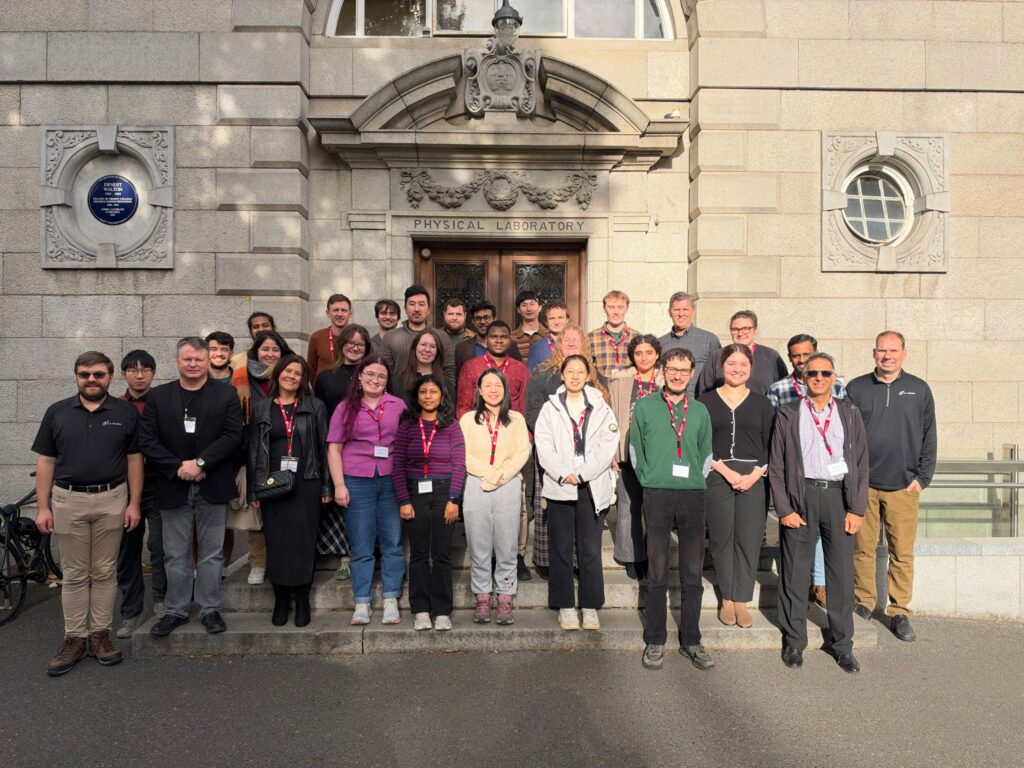
Trinity also contributed a research perspective through Charles Patterson’s talk on dielectric anisotropy at the GaP/Si(001) interface, investigated using first-principles theory. Patterson, an Associate Professor in Physics, studies the optical properties of surfaces and interfaces. His published work with Pankaj Kumar shows how calculations combined with optical measurements can reveal electronic states and atomic structure at a buried interface. It provided a research context for the day’s focus on interpreting optical data.
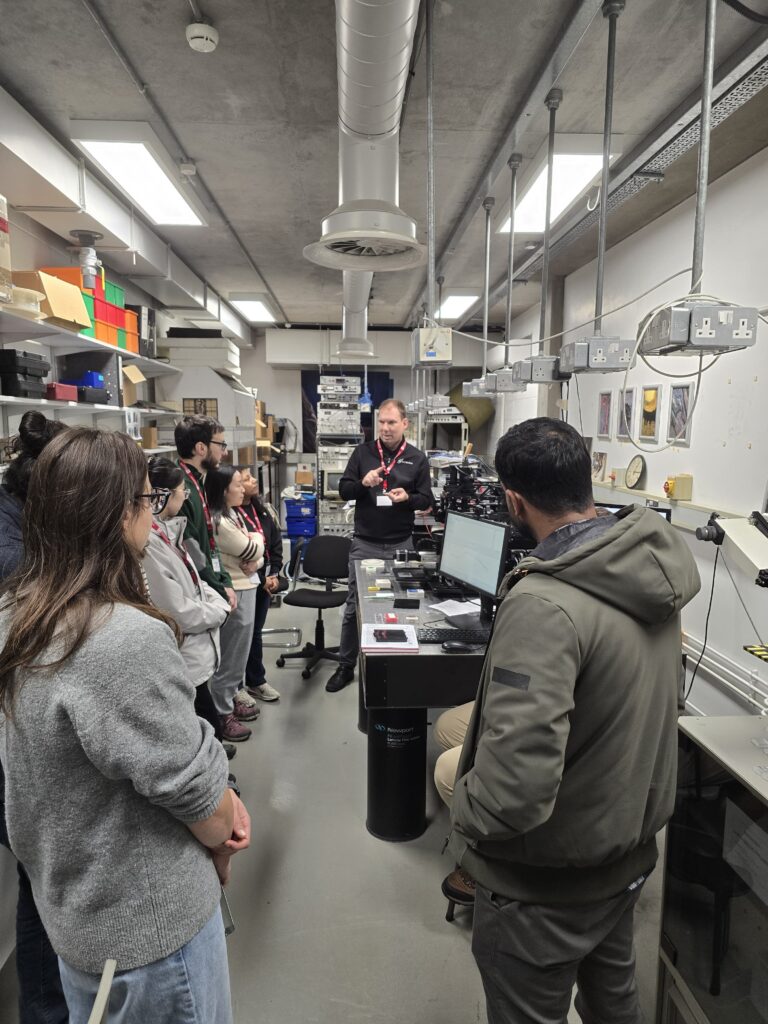
There was an opportunity to see more of the setting, too. QDUKI’s workshop update reported a lunchtime tour of Trinity’s facilities before delegates returned for Patterson’s talk, adding a look at the host institution to the lecture programme.
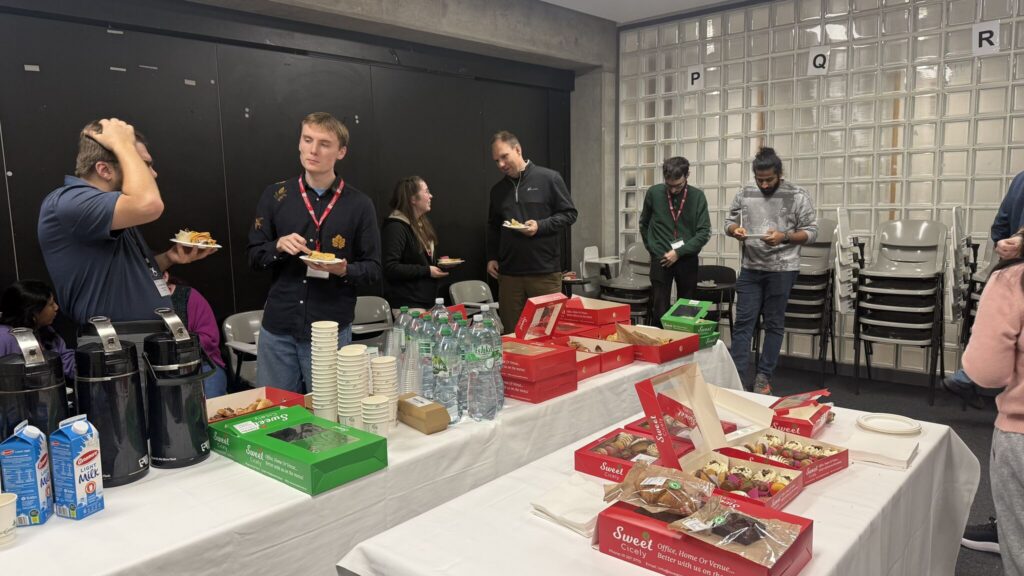
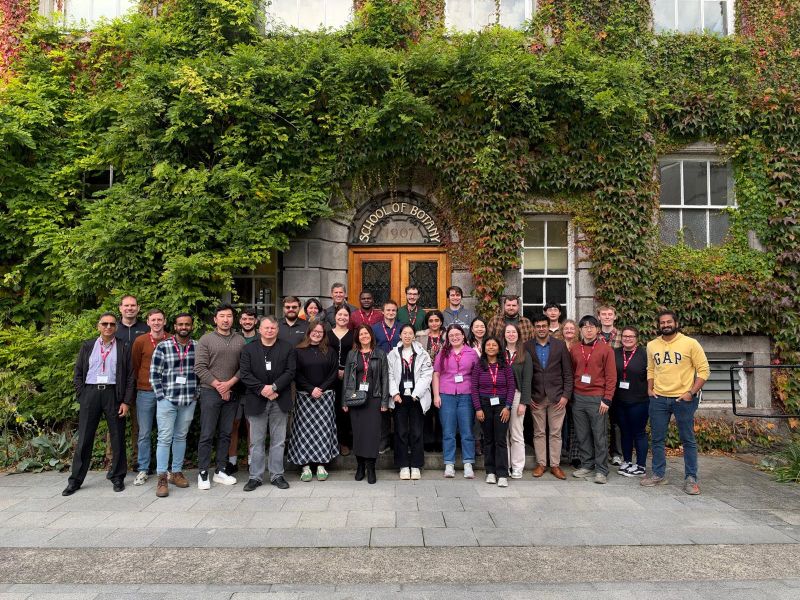
“I am new to ellipsometry but now I have solid foundation to build on”
Ishaya Kindikah, Tyndall National Institute, UCC

The people behind the programme
The Woollam team brought complementary experience. Hilfiker studied under John Woollam and joined the company in 1995; his work spans anisotropic materials, photovoltaics and Mueller matrix characterisation. Martin joined the applications team in 2009 after research into anti-reflective coatings in low Earth orbit. Mohrmann works on CompleteEASE development, including analysis features and usability. Together, their backgrounds connected materials applications with the software used to investigate them.
Host Christopher Smith brought local expertise as Trinity’s Senior Experimental Officer in Physics and leader of its Optical Analysis Laboratory. His research record includes nanolaminates and the optical characterisation of plasmonic structures, making Trinity a fitting setting for discussions of complex thin films. Angela Carslake coordinated event registration and delegate arrangements for QDUKI.
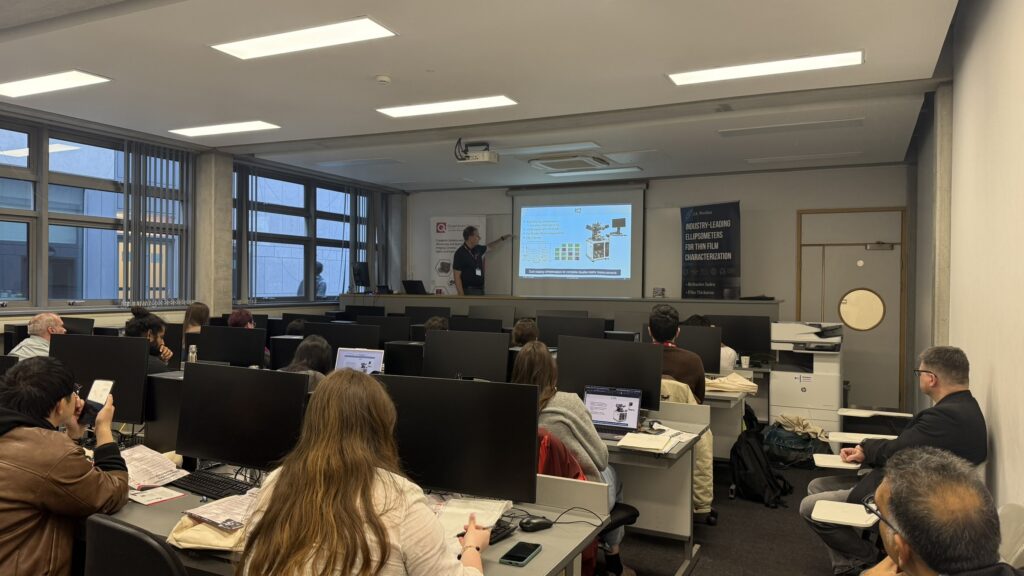
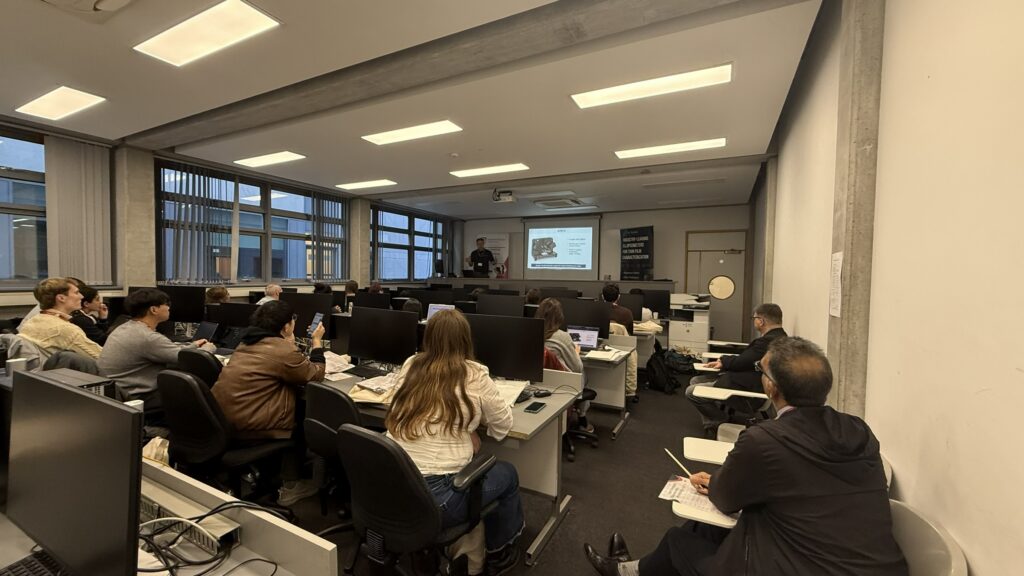
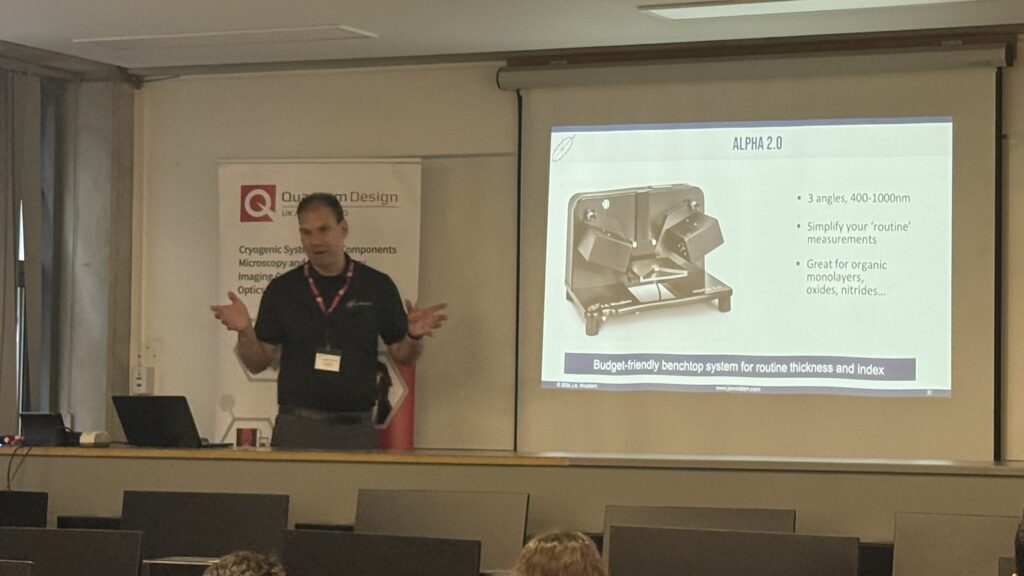
Putting the analysis into practice
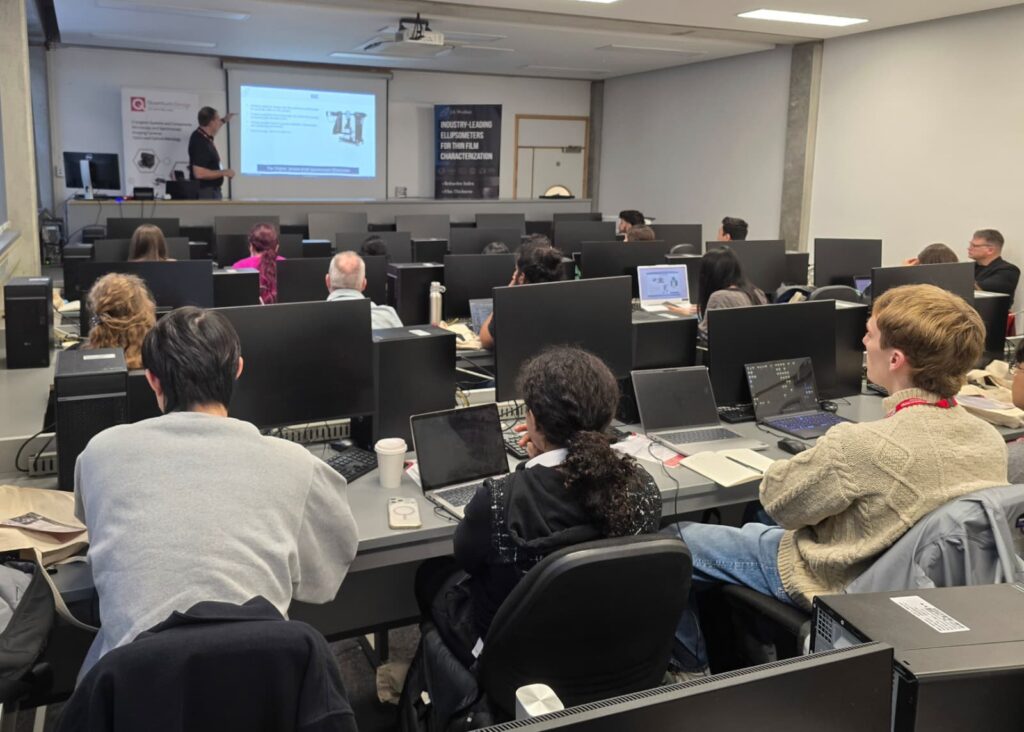
The software course began with an introduction to CompleteEASE and transparent thin films. Thursday’s programme moved into absorbing and semi-absorbing films using B-spline and general oscillator models. Friday’s agenda covered thin absorbing films, mapping and dynamic data, with time reserved for individual questions.
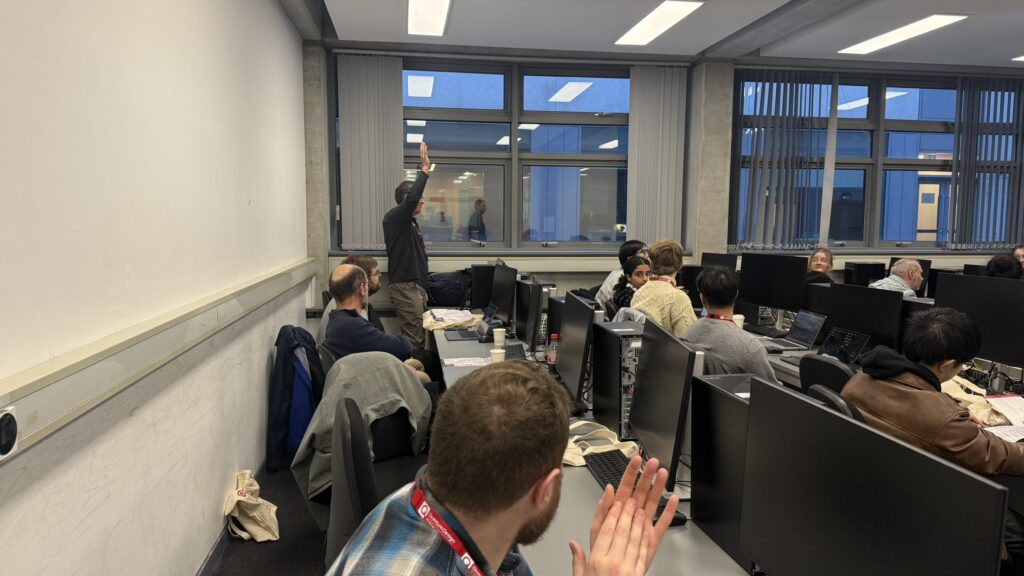
The course’s example-based, interactive format gave delegates a way to work through analysis directly on their own laptops. Its broader scope included multilayers, graded layers, uniaxially anisotropic films and ultrathin metals: a range of cases that takes users beyond the simplest film models.
“Exceeded expectations!”
Isobel Cull, Malvern Optical
Connections beyond the classroom
The social programme added another dimension. After the first day of software training, QDUKI announced an evening out in Dublin for delegates and colleagues, giving the group a chance to continue conversations away from their laptops. Its subsequent “Class of 2026” update highlighted knowledge sharing and networking, and thanked the delegates, Woollam colleagues and Christopher Smith.
We always ask attendees to give their feedback about these events, and we were delighted to receive the following marks in their responses:
- Organisation: 100% of respondents gave QDUKI top marks.
- Workshop content: 89% awarded the highest rating.
- Overall experience: 100% – everyone rated the workshop 4/5 or 5/5.
- Topic variety: 78% gave it top marks.
Across these four areas, the event achieved an average rating of 4.8/5. We use the suggestions and ratings to shape the course the following year, so we are grateful for the useful feedback from our group of guests this year.
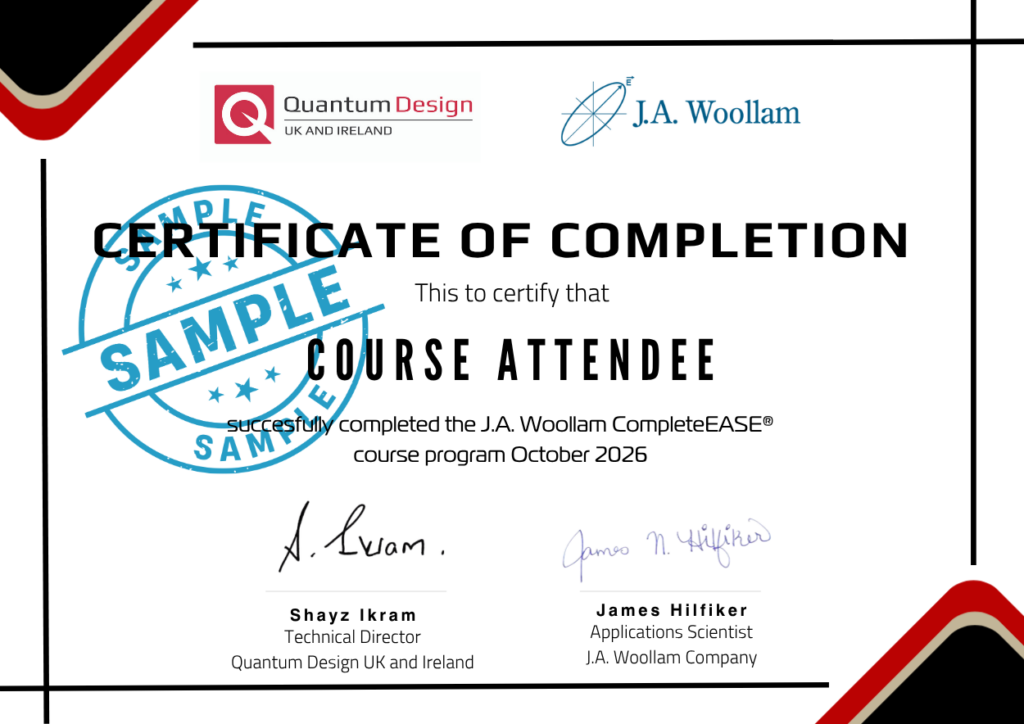
Each course attendee receives a certificate of completion at the end of the J.A. Woollam CompleteEase software course.
“I’ve learned so much in just 4 days! I definitely feel more confident approaching the fitting of different sample types. Plus it’s loads of fun!”
Lorena Britton, Lila Sciences
Across the paired events, the programme linked the physics of measurement with the practical choices involved in modelling data. With Trinity’s research contribution alongside Woollam’s applications and software expertise, the Dublin gathering continued a training partnership spanning more than 25 years, centred on helping users get more from spectroscopic ellipsometry.